
How Long Does Solid Dish Soap Last in Use?
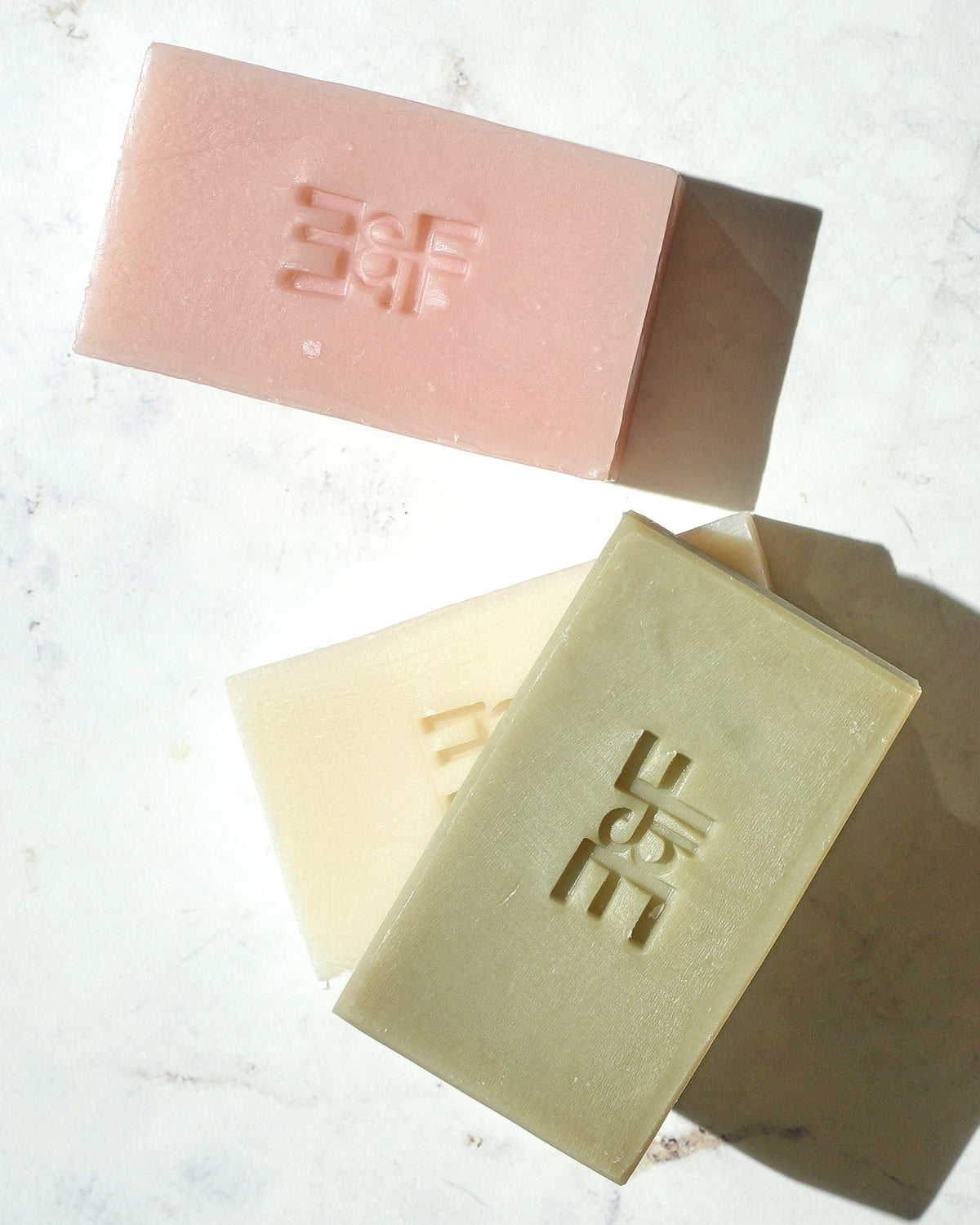
One of the best things about switching to solid dish soap is how long a single bar can last. Depending on how often you wash dishes and how you care for it, a bar may last anywhere from a few weeks to several months.
The biggest factors are how often you use it, how much soap you transfer to your brush or sponge, and whether the bar has a chance to dry out between uses. Leave it sitting in water and it will soften and dissolve much faster than it should.
The good news is that a few simple habits can help your solid dish soap last longer, so you can get the most out of every bar.
How long does solid dish soap last in a real kitchen?
Solid dish soap is concentrated, so you don't need much to get the job done. Wet your dish brush, sponge or scrubber, work it against the bar to build a lather, and use it to wash several dishes before adding more soap.
How long a bar lasts will depend on your kitchen habits. If you cook most nights and wash pots and pans by hand, you'll go through it faster than someone who mainly handwashes a few dishes and relies on the dishwasher for everything else.
The takeaway? A little goes a long way, and with proper care between uses, a single bar can last much longer than you might expect.
What affects the lifespan of a dish soap bar?
How much soap reaches your brush
The most common reason a bar disappears quickly is overloading the brush. Liquid dish soap has taught many of us to use more than we need. With a bar, a few light swipes on a damp brush are usually enough to build a good lather.
For a large washing-up session, refresh the brush as needed rather than rubbing the bar under running water. You will use less product, and the bar will not become soft around the edges.
The kind of dishes you wash
A few wine glasses and breakfast bowls need very little soap. A roasting pan coated in baked-on cheese is another story. For especially greasy cookware, scrape food into the compost or bin first, then soak the pan in warm water before washing. This reduces the amount of soap and scrubbing required, whether you use a bar or a bottle.
Water temperature also matters. Warm water helps lift oils and food residue, which means your soap can work more efficiently. It does not need to be scalding hot - comfortably warm is generally enough for everyday dishes.
The bar’s size and formula
Not all solid dish soap bars are made alike. A larger bar will, naturally, last longer than a small one. A firm, well-cured bar designed for dishes should hold up better than a softer multipurpose soap left at the sink.
Formula matters too. A dish soap bar is made to cut through kitchen grease and rinse clean, while a hand or body bar is formulated for a different job. Choosing a product specifically made for dishwashing gives you a more reliable clean and a better sense of how long it should last.
How it is stored between washes
Storage is the biggest factor you can control. Soap dissolves when it is left in standing water. If your bar lives at the bottom of a wet bowl, or directly on the ledge of the sink where splashes collect, it will soften and shrink long before its time.
A draining soap dish, raised tray, or holder with ridges lets air circulate underneath. Place it close enough to the sink that it is convenient to use, but away from the constant stream of water. This small adjustment can add weeks to the life of a bar.
How to make solid dish soap last longer
Solid dish soap does not need a complicated routine. Treat it like any hardworking kitchen tool: keep it dry when it is not being used, and use only what the job calls for.
Start with a wet brush or sponge, not a dripping one. Rub it over the surface of the bar a few times, then wash as usual. If you are tackling a full sink, keep the bar on its dish and return to it when the lather fades. Running the bar directly under the tap may feel quick, but it sends product down the drain before it has had a chance to clean anything.
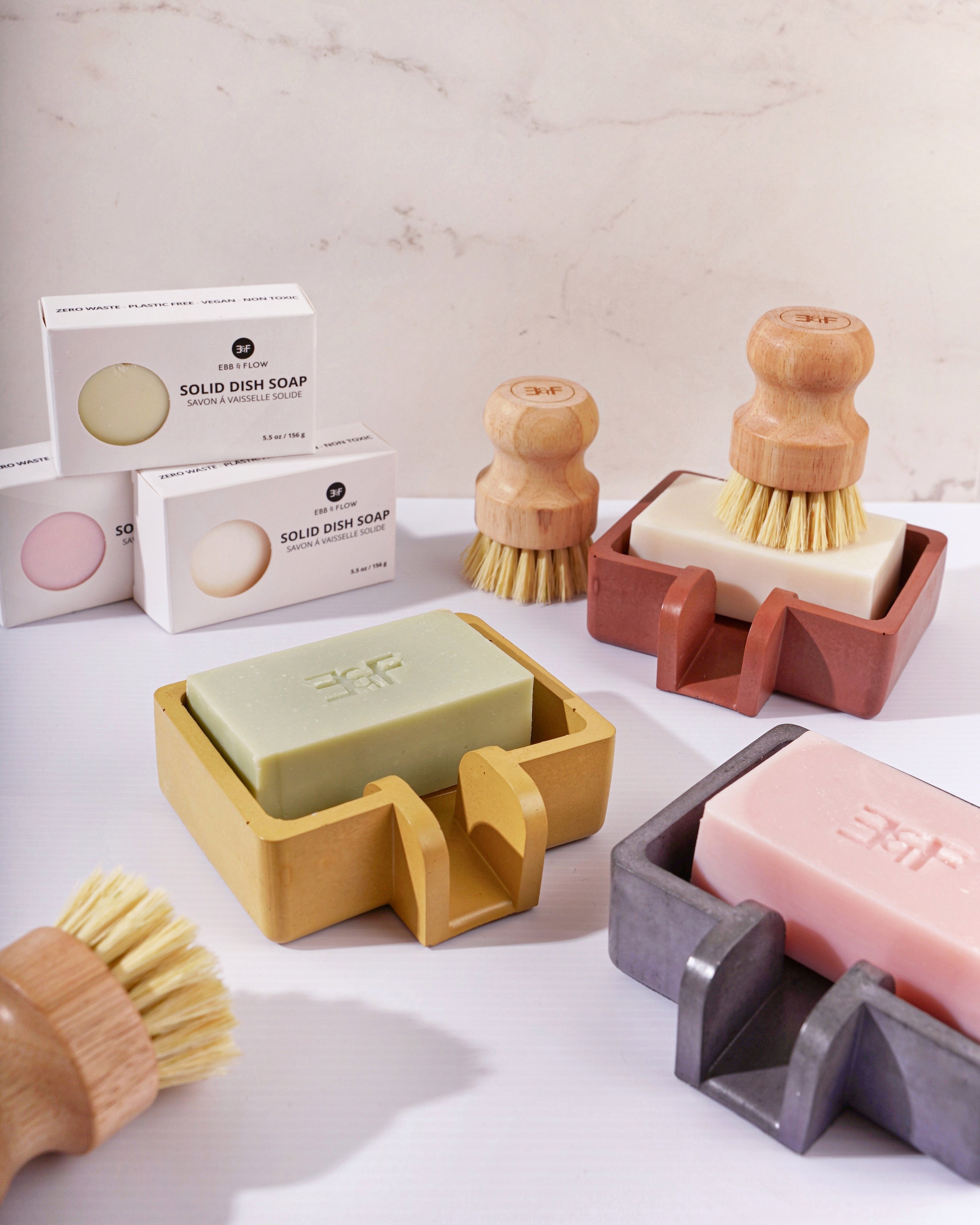
Choose a holder that drains properly. A simple ceramic tray with raised grooves can look at home beside a well-loved dish brush while doing the practical work of keeping the soap dry. If your sink area stays damp, tip excess water from the tray every few days and give it a quick rinse when needed.
It also helps to use the right tool. A dish brush can be more economical than a very absorbent sponge because it holds lather at the bristles rather than soaking up product. That said, the best option is the one you will actually enjoy using and replace responsibly when it wears out.
Signs you are using a solid dish soap bar well
A bar that lasts well should stay relatively firm, even as it gets smaller. It may develop a slightly softened top after use, but it should dry again between washes. You should be able to lift it without it breaking apart or leaving a paste behind in the holder.
Good performance is not measured by mountains of bubbles. Some formulas produce a generous foam, while others create a lighter lather that still cuts through grease beautifully. What matters is whether dishes feel clean, rinse without a slippery film, and come away free of lingering food residue.
If your bar seems to vanish within a couple of weeks, look at the setup before assuming the product is the problem. Is it sitting in water? Are you applying it to a soaking-wet sponge? Is everyone in the household rubbing the bar for much longer than necessary? Usually, one small change solves it.
Is solid dish soap more economical than liquid?
It can be, especially when you account for how concentrated it is. A liquid bottle offers instant familiarity and can be easy to portion if it has a good pump. But it also comes with packaging, regular replacement, and a tendency to be overpoured when the bottle is nearing empty.
A solid bar asks for a slightly different habit: wet the tool, swipe the soap, wash the dishes, and let the bar drain. Once that becomes automatic, many people find it just as convenient. It also leaves the sink area feeling less cluttered than a collection of disposable bottles.
The trade-off is that storage matters more. A bar is not maintenance-free if it is constantly wet, and it is not the best fit for someone who wants to squirt soap directly into a sink of water without changing their routine. But for kitchens where reducing disposable packaging matters and countertop details count, it is an easy adjustment with a useful payoff.
When it is time to replace the bar
Use your solid dish soap until it is too small to handle comfortably. The last little piece can often be pressed onto a fresh bar while both surfaces are slightly damp, or set in a small dish with a splash of warm water and used with a brush until finished.
If the bar has become unusually soft, developed an unpleasant odour, or collected debris that will not rinse away, it is time for a new one. Those issues are uncommon with a clean, draining holder, but kitchens are busy places and soap does not need to be precious to be well cared for.
A solid dish soap bar will not make washing up exciting, and it does not need to. It simply replaces one ordinary disposable item with something handsome, effective, and made to earn its place by the sink - a small change that fits easily into the home you are already creating.
Comments