
Natural Versus Synthetic Fragrance at Home
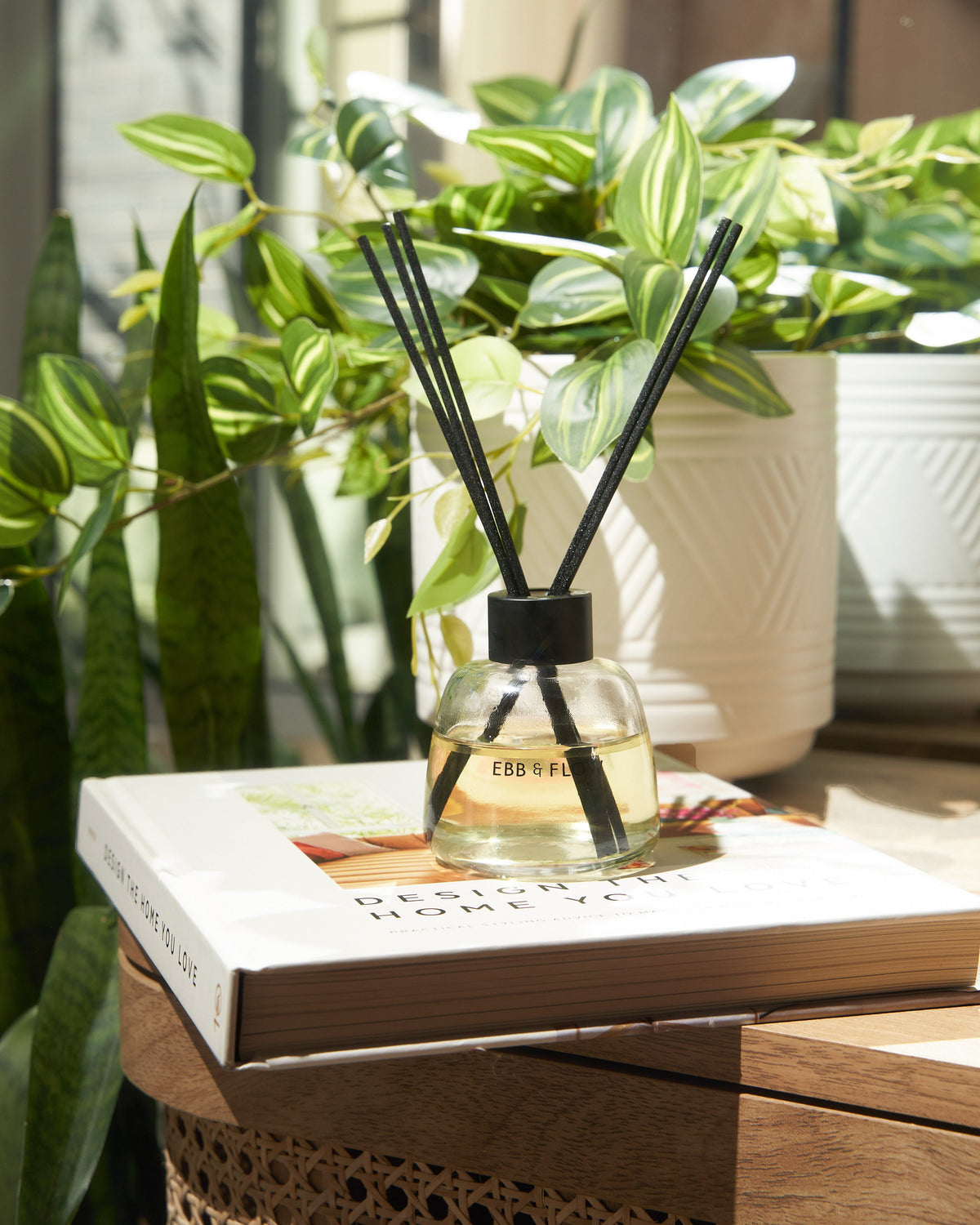
A candle can make a room feel finished before anyone has sat down. A clean citrus scent by the kitchen sink, a soft wood note in the entryway, something warm burning after dinner - fragrance is part of how a home welcomes us. But when labels start using words like natural, clean, essential oil, and phthalate-free, choosing a scent can become surprisingly complicated.
The conversation around natural versus synthetic fragrance is often framed as a simple choice between good and bad. It is not. Both can have a place in well-made home fragrance, and the better question is usually: what is in this product, how is it made, how does it perform, and does the brand explain its standards clearly?
What “natural fragrance” actually means
Natural fragrance generally comes from materials found in nature, such as essential oils extracted from flowers, leaves, bark, fruit peels, herbs, and resins. Lavender, eucalyptus, cedarwood, bergamot, and peppermint are familiar examples. Their scent can feel beautifully alive - sometimes green, bright, earthy, or gently irregular in a way that reflects the plant itself.
There is a real appeal here. Natural aromatic materials have a sense of place and texture that many people love, especially in simple scents where one or two notes are allowed to shine. They can also be an excellent fit for a home fragrance collection built around botanical character.
Still, natural does not automatically mean safer, gentler, or more sustainable. Essential oils are concentrated materials. They can contain compounds that trigger sensitivities or allergies in some people, and citrus oils, for example, may have different considerations than a soft floral or wood oil. A natural ingredient can also require a considerable amount of plant material to produce a small amount of oil.
The quality, sourcing, and formulation matter as much as the fact that an ingredient began as a plant.
What “synthetic fragrance” means
Synthetic fragrance is made from aroma molecules created or refined in a laboratory. That description can sound less romantic than a field of lavender, but it covers a wide range of materials - including many of the scent notes that make modern home fragrance feel layered, lasting, and true to life.
Some aromas are difficult, costly, or environmentally impractical to obtain from nature. Think of the scent of rain on warm pavement, a creamy amber, clean linen, sea air, or a particular kind of musk. A skilled fragrance formula may use synthetic materials to create these notes without relying on scarce natural resources or animal-derived ingredients.
Synthetic ingredients can also offer consistency. A cedar essential oil may shift slightly with growing conditions, region, or harvest, while a carefully selected aroma molecule can help a candle smell balanced from one batch to the next. That consistency matters when you have found a scent that belongs in your home and want it to remain familiar.
Most importantly, synthetic does not automatically mean harsh or unsafe. Fragrance safety depends on the individual materials used, their concentration, the way the product is used, and the standards behind the formula. A well-formulated synthetic fragrance may be the more practical choice for a particular scent, while another formula may lean heavily on essential oils. Neither label tells the whole story on its own.
Natural versus synthetic fragrance: the details worth looking for
For home fragrance, the label on the front rarely tells the full story. “Natural” may describe some or all of a formula. “Fragrance” can refer to a proprietary blend of multiple ingredients. This is not necessarily a red flag - fragrance formulas are often protected as trade secrets - but it does make a brand’s broader ingredient standards more useful.
Look for clear information about what the brand chooses to leave out, as well as what it uses. At EBB & FLOW, that means pure soy wax, cotton-core wicks, essential oils and phthalate-free fragrance oils in our scented goods. Our formulas are also vegan, cruelty-free, and paraben-free. These are practical standards, not a claim that every natural material is perfect or every synthetic one is a problem.
Phthalates are one category many shoppers prefer to avoid in fragrance products. They have sometimes been used to help fragrance last or blend, but a phthalate-free formula can be created without them. If this matters to you, it is worth looking for the claim directly rather than assuming that natural automatically means phthalate-free.
For anyone with known allergies, asthma, migraines, or scent sensitivity, the most helpful approach is personal and cautious. Choose lighter fragrances, use them in a larger or well-ventilated room, and stop using a product if it causes discomfort. Even a beautifully made candle is not meant to be the right choice for every person or every space.
Fragrance performance is part of the equation
A lovely fragrance has to work in the format it is made for. A scent that smells wonderful from a bottle may not carry well in wax. A bright top note can disappear quickly when heated, while deep base notes such as woods, vanilla, and amber often give a candle its staying power. Reed diffusers, linen mists, incense, and candles each ask something different from a fragrance formula.
This is one reason blended formulas are so common. Essential oils may bring freshness, lift, and botanical detail. Carefully chosen fragrance oils can add depth, stability, and the kind of scent memory that lingers softly in a room after the flame is out. A formula does not need to be all one thing to feel beautiful, clean, and at home in your space.
The same goes for scent strength. Stronger is not always better. In a small condo, powder room, or bedroom, a subtle candle or a few reeds may be all that is needed. In an open living space, a richer fragrance or a diffuser placed near the centre of the room may make more sense. The goal is atmosphere, not a scent that arrives before you do.
A better way to choose home fragrance
Instead of shopping only by the word natural or synthetic, start with the experience you want and the standards you care about. You may want a crisp, botanical kitchen scent that leans on essential oils. You may prefer a more complex evening candle with notes of smoke, resin, or warm woods that calls for a blend. Both are valid choices.
A few questions can make the decision easier:
- Does the brand explain its wax, wick, and fragrance standards clearly?
- Is the scent appropriate for the room and the way you will use it?
- Does the product avoid ingredients you personally prefer not to bring home?
- Is the vessel designed to be reused, refilled, or recycled rather than tossed after one burn?
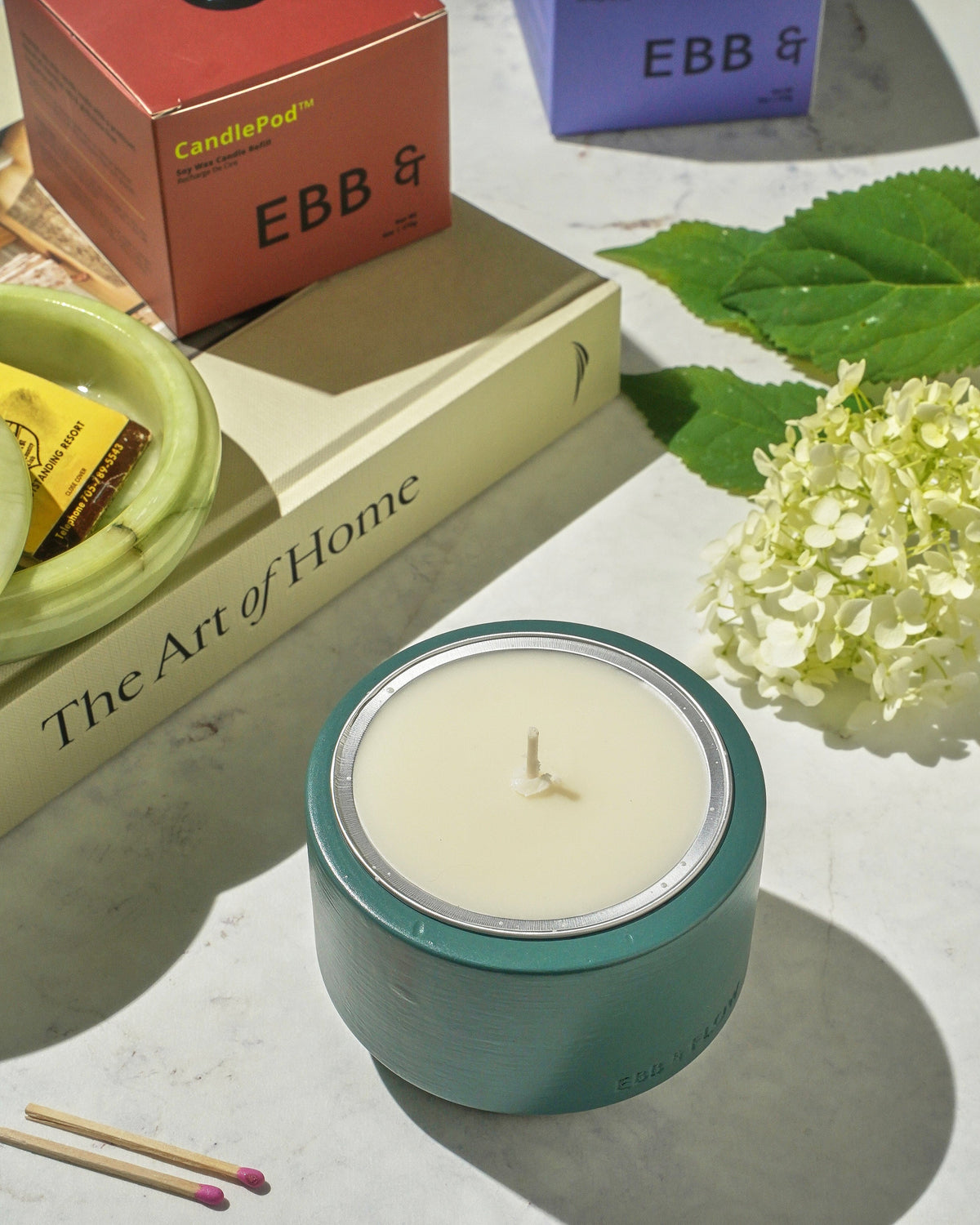
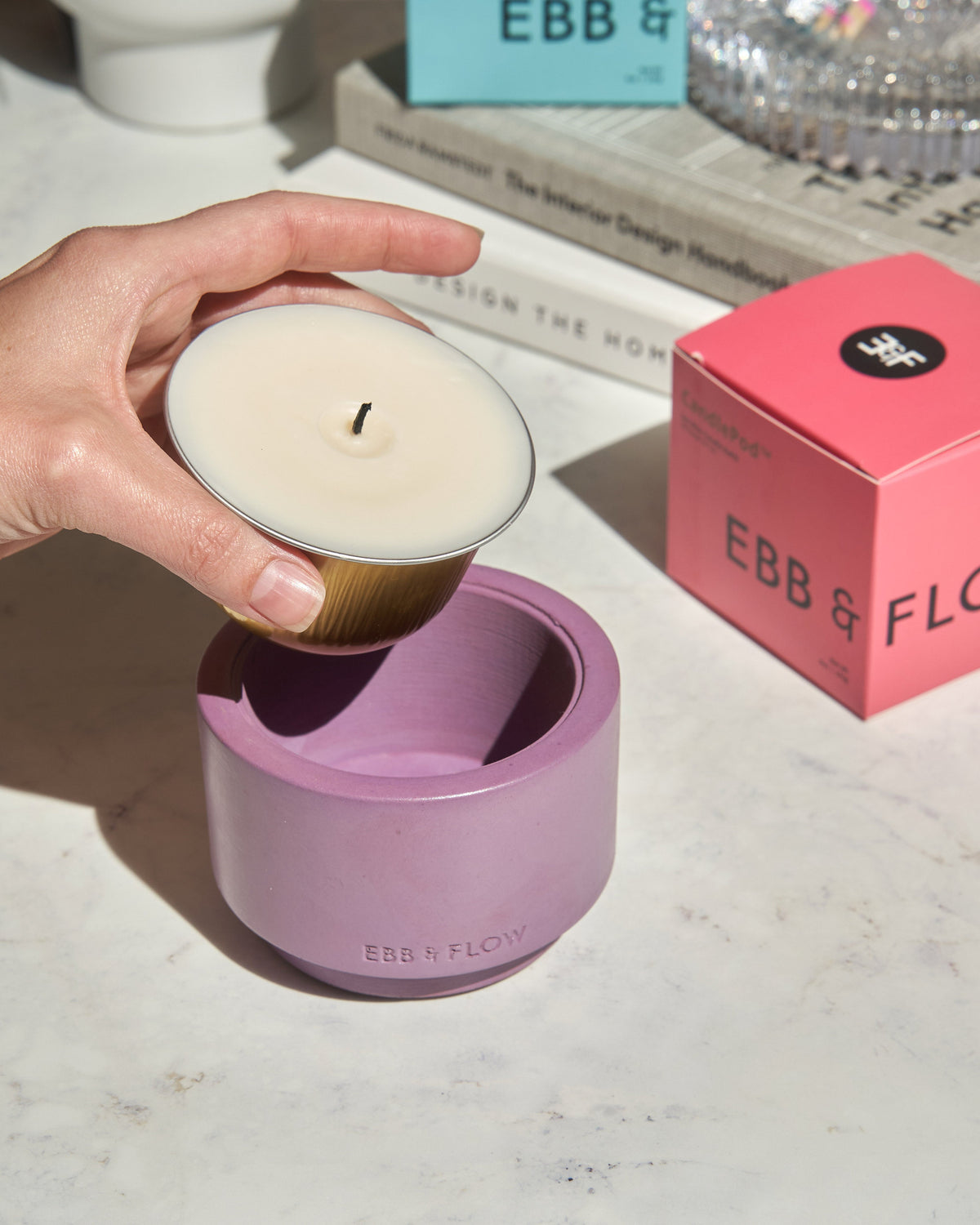
With a CandlePod™ system, the process stays simple: choose a vessel you love, insert a fresh pod, then refresh the scent when it is finished. It is a small shift, but it means you can keep the object and replace only what has been used.
Trust your nose, then read beyond the label
The best home fragrance is not the one with the most persuasive buzzword. It is the one that smells right in your space, is made to standards you feel good about, and fits naturally into the way you live. A natural essential oil blend may be exactly what you want. A carefully composed phthalate-free fragrance may be the better route to the scent you have been looking for.
Bring home the candle, mist, or diffuser that makes your everyday rooms feel more like yours - then choose a format you will be happy to use again and again.
Comments